
Introduction
Email marketing stays a tool for businesses to build relationships grow leads and make sales.. A big email list does not automatically bring more customers. The real challenge is turning subscribers into paying customers by giving content, personal communication and well‑planned campaigns.
Good email marketing strategies help businesses send the message to the right audience at the right moment. Whether you run a store, a service business or a growing startup a thoughtful email marketing plan can help you raise conversions and create long‑term customer loyalty.
In this guide learn email marketing strategies to turn subscribers into customers and grow your business.
What Is Email Marketing Conversion?
I see that email marketing conversion happens when a subscriber takes a step after an email arrives. That step could be buying a product booking a consultation asking for a quote or signing up for a service.
If you want to boost email marketing conversion focus on more than just email opens. Look at click‑through rates, purchases, qualified enquiries and revenue, from each campaign to see a picture of performance.
Email Marketing Strategies to Turn Subscribers Into Customers
1. Segment Your Email List
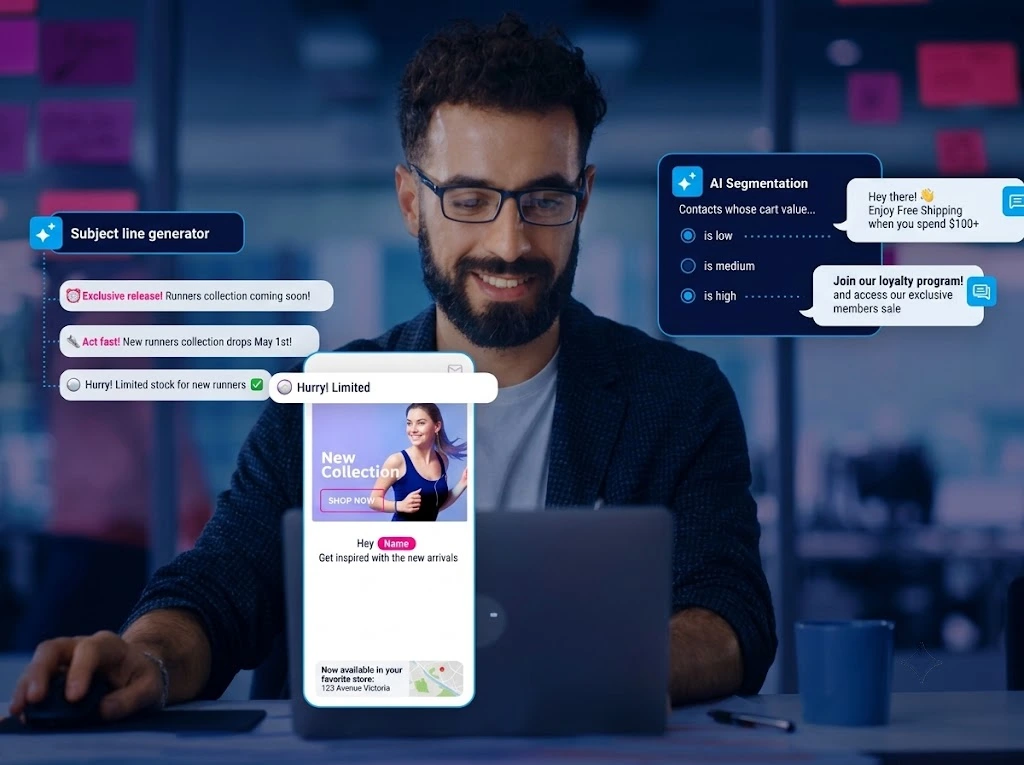
Not every subscriber has the needs, interests or buying intentions. Sending emails to every subscriber can make your messages less relevant. Segment your email list.
Divide your email list into groups based on customer interests, purchase history, location, engagement or stage in the buying journey. For example an online clothing store could send recommendations to customers interested in casual wear and to customers interested, in formal clothing. Segment your email list.
Audience segmentation makes your campaigns more relevant. Helps subscribers discover products or services that match their needs. Segment your email list.
2. Personalize Your Email Campaigns
Personalization goes beyond just using a subscriber’s name in the line. It means knowing what your customers care about and giving them information that matches their interests and actions.
Recommend products that fit their needs. Share guides or tips. Send follow-up emails based on what they’ve done. For example a digital marketing agency might send SEO advice to people who have shown interest in boosting website rankings.
Use customer data the way. Be clear about what you’re collecting and why. Explain your data practices. Only gather information that you actually need.
3. Write Compelling Subject Lines
The subject line is what makes someone open your email. A strong subject line shows value. Gives a real reason to keep reading.
Keep it short and focused. Make sure it accurately reflects what’s inside the email. Avoid lying, exaggerating or using much sales language.
Examples:
1. “5 Ways to Improve Your Website Conversions”
2. “Find the Right Marketing Strategy for Your Business”
3. “Your Guide, to Choosing the Best Email Marketing Tools”
Try A/B testing if your email platform allows it. Send two versions to groups. See which one gets opens. Use the results to learn what your audience likes.

4. Provide Valuable and Relevant Content
Subscribers are more likely to trust businesses that consistently provide information instead of sending constant sales pitches.
Share tips, educational guides, product demonstrations, customer success stories and answers to common questions. Balance emails, with content that helps readers solve real problems.
For example a digital marketing agency could send a guide explaining how businesses can improve their visibility before introducing its SEO services.
When your emails offer value subscribers have more reasons to engage with your brand and consider your services.
5. Create Automated Email Sequences
Email automation allows businesses to send messages based on specific subscriber actions. It saves time while maintaining communication throughout the customer journey.
Useful automated email sequences include:
Welcome emails: Introduce your brand and explain what subscribers can expect.
Lead-nurturing emails: Share content that helps potential customers make informed decisions.
Abandoned-cart emails: Remind shoppers about products left in their carts.
Post-purchase emails: Provide order information, useful guidance or relevant product recommendations.
Re- emails: Invite inactive subscribers to reconnect with your brand.
Build each sequence around a purpose and monitor its performance. Ensure automated messages follow consent, privacy and email marketing requirements.

6. Include Clear Calls to Action (CTAs)
A Call to Action tells subscribers what to do. Without a Call to Action readers may enjoy your content but leave without taking the next step.
Use action‑oriented language such as “Shop Now ” “Book a Free Consultation ” “Explore Our Services ” or “Download the Guide.”
Make your primary Call to Action easy to find and connect it directly to the email’s purpose. For example a promotional email should lead to the product page rather than a general homepage.
Avoid readers with competing actions. One primary Call to Action usually makes the intended step clearer.

7. Optimize Emails for Mobile Devices
Many subscribers read emails on smartphones so your campaigns should be easy to view and navigate on screens.
Use email templates, readable fonts, short paragraphs, clear buttons and appropriately sized images. Keep information near the beginning and ensure links are easy to tap.
Test your emails across devices and email clients before sending them. Also include alternative text, for important images and make sure your message remains understandable when images are disabled.
How to Measure Email Marketing Success
Tracking results helps you see which email marketing strategies create business benefits.
Monitor these key performance indicators (KPIs):
- Click‑through rate: Shows how many delivered emails cause clicks.
- – Conversion rate: Shows the percent of recipients who finish the action you want using a calculation.
- Unsubscribe rate: Shows how many recipients leave after a campaign.
- Bounce rate: Shows how many emails cannot be delivered.
- Revenue per email: Shows how much money comes from each email that is delivered or sent, using a definition.
Use these facts to make your email marketing content, audience groups, timing and calls to action better. Track sales or questions, with analytics and conversion tracking so you can link email marketing activity to real business outcomes.

Find Out Answers Here

Start by building a permission-based email list, segmenting subscribers, sending a helpful welcome email, and sharing valuable content with a clear CTA. Measure engagement and conversions to improve future campaigns.
The ideal frequency depends on your audience, industry, and content. Begin with a manageable schedule, communicate expectations during sign-up, and adjust based on engagement, unsubscribes, and subscriber feedback.
Yes. Email marketing can help small businesses nurture leads, promote products, share updates, and maintain customer relationships without relying entirely on paid advertising. Results depend on relevance, execution, and audience quality.
Email marketing automation uses software to send emails automatically when specific conditions or actions occur, such as subscribing, making a purchase, or abandoning a shopping cart.
Improve conversions by targeting relevant audiences, writing clear subject lines, personalizing content, simplifying CTAs, optimizing mobile layouts, and testing different campaign elements. Track completed actions to identify what works.
CONCLUSION
Turning subscribers into customers means more than sending a lot of promotional emails. You need to split your audience personalize messages give content set up automatic follow-ups put clear calls, to action and keep tweaking.
If you use these email marketing strategies you can build bonds with customers make your campaigns work better and open more sales chances. Start with one or two changes see what happens then slowly improve.
At Marketlift we help businesses create marketing plans that bring in audiences grow leads and keep growth steady.
Ready to Grow Your Business with Email Marketing?
Turn your email subscribers into meaningful business opportunities with a smarter digital marketing strategy. Marketlift can help you build effective campaigns that nurture leads, strengthen customer relationships, and support business growth.