
Organic Social Media vs Paid Advertising | Marketlift
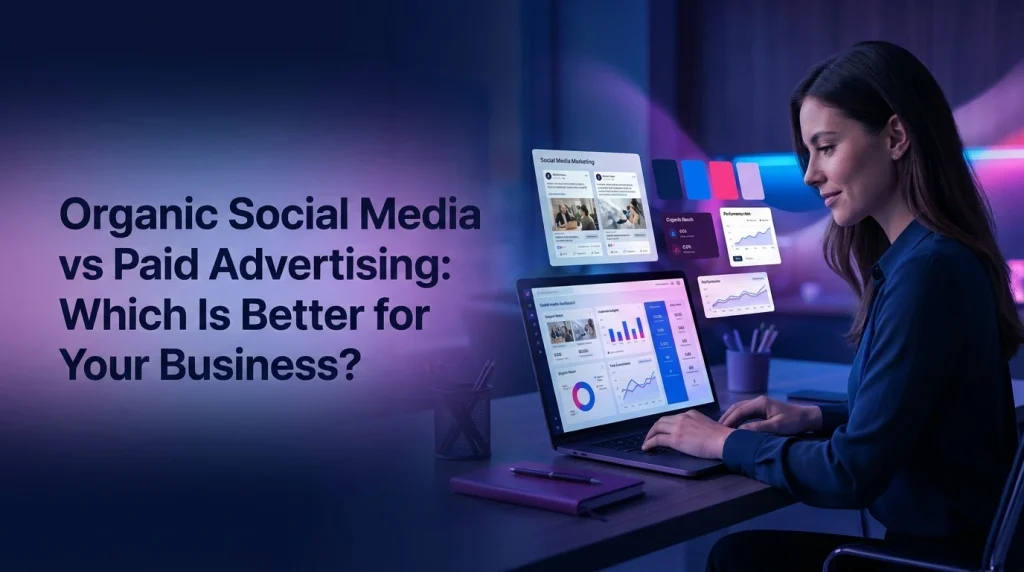
Introduction Social media has become a way for businesses to connect with customers make people know their brand and sell more products.. Deciding between using free social media or paying for ads can be hard especially for small businesses that don’t have a lot of money for marketing. Both methods help companies talk to the people they want to reach. They do it in different ways. Free social media is about making connections through content that doesn’t cost anything. Paid advertising is about using money to get attention from groups through ads that are paid for. The big difference between social media and paid advertising is that free social media helps create lasting interest over time while paid advertising lets companies get to the right people faster. Knowing about both ways can help you make a plan, for using social media to grow your business. What Is Organic Social Media Marketing? Organic social media marketing means sharing content on platforms like Instagram, Facebook, LinkedIn and YouTube without paying for ads. It lets businesses talk to their followers share information and build a brand that people can recognize. Common types of content include educational posts, reels, stories, customer reviews, behind-the-scenes videos and discussions about the community. Benefits of Organic Social Media Builds customer relationships: When businesses interact often they can earn trust. Keep communication going with their followers. Supports brand awareness: Posting valuable content regularly helps people see your business and get to know what you do. Creates community engagement: Comments, shares and conversations help strengthen bonds with future customers. Offers a budget-friendly approach: You don’t need to pay for ad spots but creating and managing content still needs time and effort. Supports long-term growth: Good content can keep attracting attention even after it’s published especially if people share it or come back, to it later. Limitations of Organic Social Media Reach can be unpredictable because the platforms decide how content is shown. Growing an audience takes time. Posting consistently requires planning, creativity and regular effort. What Is Paid Social Media Advertising? Paid social media advertising means paying platforms to show content to chosen audiences. Businesses can use advertising tools on platforms such as Facebook, Instagram, LinkedIn and TikTok depending on availability and campaign goals. Advertisers can pick audience characteristics, locations, interests and other targeting options. Campaigns may focus on website traffic, leads, product sales, app activity or brand awareness. Benefits of Paid Advertising Faster audience reach: Paid Advertising can expose your business to people without waiting to build a large following. Audience targeting: Paid Advertising lets advertisers tailor campaigns, to locations, interests, demographics or other available audience signals. Measurable performance: Paid Advertising dashboards can report impressions, clicks, conversions and other campaign metrics. Flexible budgets: Paid Advertising allows businesses to start with a budget and adjust spending based on performance. Campaign optimization: Testing creatives, messages and audiences helps identify opportunities to improve results. Limitations of Paid Advertising Paid Advertising requires investment and results are not guaranteed. Targeting, weak creative content or an ineffective landing page can waste budget. Traffic may also decline when Paid Advertising campaigns stop unless other channels continue attracting customers. Organic Social Media vs Paid Advertising: Key Differences The following comparison highlights how the two approaches differ. Factor Organic Social Media Paid Advertising Cost No payment for organic placement Requires advertising spend Reach Influenced by followers and platform distribution Can extend beyond existing followers Speed Usually grows gradually Can generate reach soon after launch Main Purpose Relationships, trust, and community Targeted reach, leads, and conversions Control Limited control over distribution More control over targeting and budget Measurement Engagement, reach, clicks, and audience growth Impressions, clicks, conversions, and cost Long-Term Value Builds an ongoing content and community presence Depends partly on continued campaign funding Neither approach is automatically better. The right choice depends on your goals, budget, audience, and stage of business growth. Which Strategy Is Better for Small Businesses? For businesses the best strategy depends on what they need to achieve. Choose social media if you want to: – Build brand recognition slowly. – Show credibility by sharing useful information. – Talk to customers. – Keep a media presence when advertising money is small. Choose paid advertising if you want to: – Show a product or service. – Reach people in a particular city or region. – Get questions for an offer. – Check interest in a product or service with a set budget. For example a boutique, in Prayagraj could use Instagram reels to display new collections and styling tips. It could also run paid Instagram or Facebook campaigns aimed at people nearby to promote a collection. Results will depend on the offer, the quality of the creative the audience, the competition and the campaign set up. Can You Combine Organic Social Media and Paid Advertising? Yes. Combining social media with paid advertising can create a balanced marketing strategy. Organic content helps you develop a brand identity and understand which topics interest your audience. Paid advertising can then extend the reach of selected content. Promote specific offers to relevant audiences. Here is a simple approach: 1. Create organic content: Publish educational posts, product demonstrations, customer stories and useful tips. 2. Review engagement: Identify content that attracts interactions or website visits. 3. Promote strategically: Use paid campaigns to reach audiences with strong content or specific offers. 4. Measure results: Track clicks, enquiries, conversions and costs against your business goals. 5. Improve your strategy: Refine content and campaigns based on performance data. Remember that a popular post does not automatically become an advertisement. Test campaign results against your objectives rather, than relying only on likes or views. How Marketlift Can Help Your Business Grow Choosing the social media strategy means you must know your audience, your business goals, the content you have and how much money you can spend. At Marketlift we help businesses make marketing plans that increase visibility keep people engaged and show real growth. Whether you work with social media management create content run paid […]