
How to Repurpose One Piece of Content Into 10 Marketing Assets | Marketlift
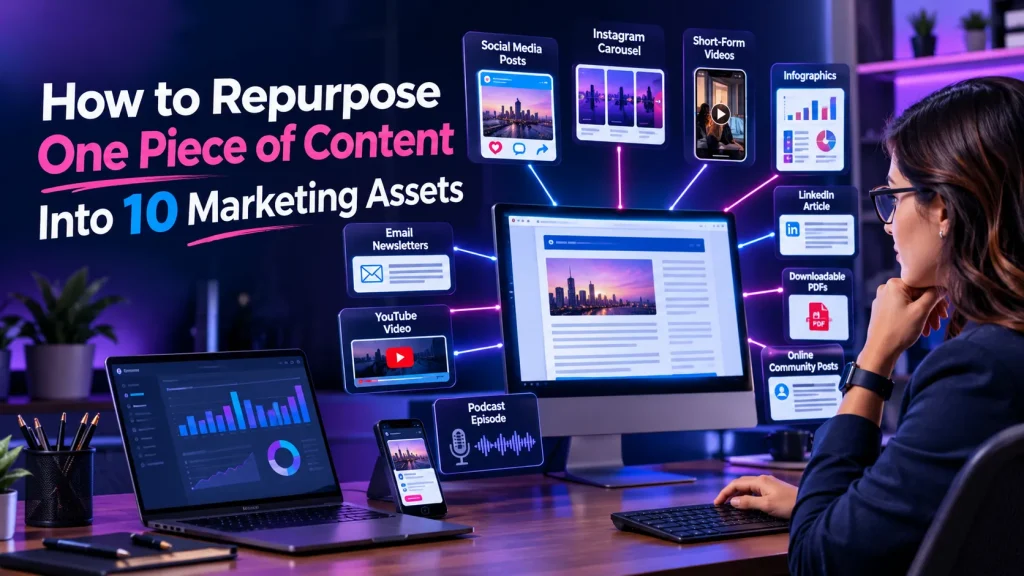
Introduction Creating content every day can be hard, for many businesses. It needs time, creativity and hard work to make blog posts, videos, social media updates and email campaigns. Imagine if you could make marketing pieces from just one piece of content. This is where content repurposing becomes handy. Of always starting over businesses can change existing content into different formats and share it on many marketing channels. For example one blog post can turn into media posts, short videos, email newsletters, infographics and more. This method helps businesses save time reach audiences and keep a steady online presence. In this guide I will show how to turn one piece of content into ten marketing assets and get the value from it with a solid content marketing plan. What Is Content Repurposing? Content repurposing is the process of changing existing content into formats so that it reaches people on many platforms. For example you can turn a blog post into an Instagram carousel, a YouTube video, a LinkedIn post or an email newsletter. The main goal is to share the useful information in many ways while fitting it to each platforms audience and style. Why Does Content Repurposing Matter? 1. Saves time, Lowers content creation costs. 2. Expands the brands visibility. 3. Reaches people on platforms. 4. Improves marketing efficiency. 5. Extends the life of content. How to Repurpose One Piece of Content Into 10 Marketing Assets Lets take one example: a blog post titled “10 Digital Marketing Strategies for Businesses.” You can transform this resource into ten different marketing assets. 1. Create Social Media Posts Break your content into smaller informative social media posts. Each post can highlight one tip, statistic or takeaway. Share these updates on Instagram, Facebook and LinkedIn. Use engaging captions and relevant hashtags to encourage interaction. 2. Design an Infographic Turn information, statistics or step-by-step instructions into a visually appealing infographic. Infographics make complex information easier to understand and share. Publish them on Pinterest, Instagram and your website to attract attention. 3. Produce Short-Form Videos Convert points from your original content into short videos for Instagram Reels, YouTube Shorts and Facebook Reels. Focus on one idea per video. Add captions, engaging visuals and a clear message to make your videos easier to follow. 4. Create a YouTube Video Expand your content into a detailed YouTube video. Explain the ideas using examples, demonstrations and practical advice. This format helps you connect with people who prefer watching videos of reading lengthy articles. 5. Write an Email Newsletter Turn your content into an informative email newsletter. Highlight the valuable insights and provide a link to the complete blog post. This strategy helps you deliver information directly to subscribers while encouraging website visits. 6. Publish a LinkedIn Article Transform your content into a LinkedIn article. Add industry insights, practical examples and your business perspective. LinkedIn is particularly useful for reaching professionals, entrepreneurs and potential business clients. 7. Create an Instagram Carousel Divide your content into multiple slides. Each slide should explain one idea using text and relevant visuals. Start with an attention-grabbing headline. Finish with a call to action. Carousels can make educational content easier to explore. 8. Develop a Podcast Episode Use your content as the foundation for a podcast discussion. Expand the points share additional examples and discuss common challenges. This helps you reach audiences who prefer listening while working, travelling or relaxing. 9. Answer Questions on Quora and Other Communities Identify questions related to your topic and provide helpful informative answers. You can adapt sections of your content to answer these questions. Include a link to your resource when it genuinely adds value. 10. Create a Downloadable Checklist or PDF Convert your content into a checklist, worksheet or downloadable guide. For example a blog, about marketing strategies could become a small business marketing checklist. This asset can also support lead generation by encouraging visitors to subscribe to your email list. Best Practices for Effective Content Repurposing Repurposing content is more than copying and pasting. Follow these practices to get results: – Choose valuable content:- Begin with blog posts, videos, guides or resources that provide lasting value. – Understand each platform:- Adapt content to fit the audience and format of each channel. – Add fresh information:- Include relevant examples, updated insights and new perspectives. – Maintain brand consistency:- Use consistent messaging, visual identity and tone across platforms. – Track performance:- Monitor engagement, website traffic, shares and conversions to see which formats work best. How Content Repurposing Supports SEO, AEO, and GEO Content repurposing can support search visibility when implemented strategically. SEO (Search Engine Optimization):- Publishing valuable content across platforms can raise brand awareness attract referral traffic and create opportunities to earn quality backlinks. AEO (Answer Engine Optimization):- Convert insights into clear questions and answers. Well‑structured explanations can make information easier for search engines and answer engines to understand. GEO (Generative Engine Optimization):- Provide insights, accurate information clear explanations and useful examples. These qualities help make content more understandable and useful for AI‑generated answers. Remember, publishing content everywhere is not the goal. Focus, on delivering platform‑specific information. Frequently Asked Questions 1. What is content repurposing in digital marketing? Content repurposing means transforming existing content into different formats, such as videos, infographics, social media posts, and newsletters, to reach a wider audience. 2. What are the benefits of repurposing content? It saves time, reduces content creation costs, increases brand visibility, reaches different audiences, and helps businesses maintain consistent marketing activities. 3. Can one blog post be turned into multiple marketing assets? Yes. One blog post can become social media updates, videos, infographics, email newsletters, podcasts, LinkedIn articles, and downloadable resources. 4. Does content repurposing improve SEO? Content repurposing can support SEO by increasing brand exposure, attracting referral traffic, and creating opportunities for quality backlinks. However, results depend on content quality and distribution. 5. How often should businesses repurpose content? Businesses can repurpose valuable content whenever it provides useful information for another platform or audience. Regularly reviewing existing content […]